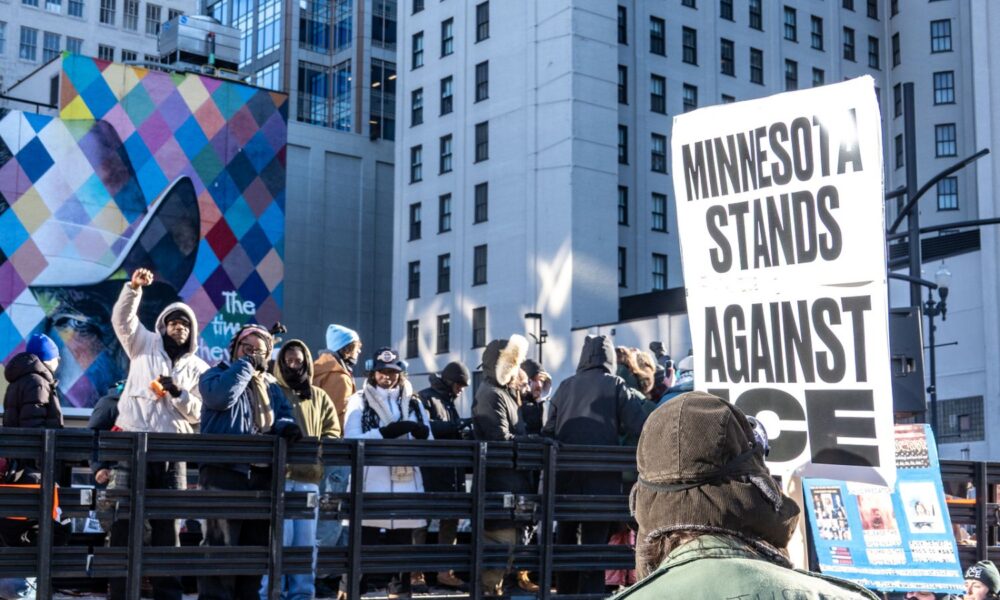
In recent weeks, communities in Minneapolis and across Minnesota have been confronting a deeply unsettling reality with federal Immigration and Customs Enforcement (ICE) and US Border Patrol agents operating in neighborhoods, workplaces, schools, and public spaces, spreading fear and violence. These actions are not isolated incidents. They are part of a broader pattern of the Trump administration’s aggression that threatens civil liberties, community safety, and democratic norms.
At the Union of Concerned Scientists (UCS), we understand that the fight for climate accountability is inseparable from the fight for human dignity and democratic governance. Authoritarian tactics thrive on isolation and fear; they are weakened by transparency, solidarity, and organized community response.
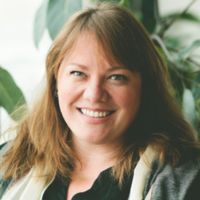
To better understand what this moment looks like on the ground and how people are responding, I spoke with Sarah Goodspeed, UCS’s Climate Accountability Outreach Manager based in Minneapolis. Sarah shares what she is witnessing in her community, what years of organizing have taught her about showing up in moments of crisis, and how people across the country can support those most affected right now.
Delta Merner: What are you seeing right now in terms of ICE and Border Patrol activity? How is it affecting people’s day-to-day lives?
Sarah Goodspeed: The presence of over 3,000 federal agents as part of the Department of Homeland Security’s Operation Metro Surge, now in its third month ostensibly targeting undocumented immigrants, joined by Operation PARRIS targeting refugees despite a court order, is debilitating to our entire region. Immigrants and people of color regardless of legal status, are targeted in their homes, at their work, at businesses, and places of worship. Huge portions of our communities are sheltering in place as thousands are arrested regardless of status or criminal record.
Children aren’t able to go to schools because ICE agents detain them at the bus stop or follow them home. In response, parents and teachers have organized incredible support networks to provide online classes, food deliveries, and care visits for families sheltering or unhoused and exposed; offer rent support for those missing work; stand watch outside of daycares to alert at passing agents; and provide support when the unthinkable happens each day when children and their parents are taken to detention centers.
People are missing health care, afraid to go to the hospital where agents have detained patients and staff, unable to fill prescriptions, or foregoing or delaying critical care.
Some carry their passports just to take out the garbage. We are constantly checking in with loved ones and neighbors about their safety and well-being, knowing anybody could be harmed next.
Circling helicopters and horns and whistles echoing across each block are a constant reminder of the presence of danger that calls neighbors out to protect one another, even at their own risk. It’s hard to overstate the constant, widespread presence of agents and the brutality of their tactics: throwing people to the ground, tearing them from cars -whether targets or passersbys, beating them, denying medical care, deploying toxic chemical irritants at homes, parks, and daycares, engaging in surveillance and intimidation and detaining and removing them from Minnesota in violation of constitutional rights and judicial orders.
Consider the scale of a force many times larger than our local police, who don’t have a great track record themselves, and are also experiencing harassment by federal agents. A four-hour Congressional field hearing barely scratched the surface of what Minnesotans are experiencing. These actions are occurring across the city, throughout the suburbs, and into rural areas, where we have strong immigrant communities who all have been harmed.
DM: How is the community responding, both practically and emotionally, to what’s happening?
SG: Many community members are reactivating and plugging into networks of support that grew significantly in 2020, as we faced both the challenges of COVID-19 and civil unrest after the murder of George Floyd and ongoing state violence. These support systems have been critical to withstanding what local officials have called an “occupation” over months, both to meet practical needs to feed our communities, and to activate a strong presence of observers to reduce harm from agents acting violently and illegally.
Neighbors are turning out to share in every imaginable way: providing support for basic goods from groceries to hot meals; increasing safety and security with full houses at observer trainings and distributing supplies; providing home visits for care and services from midwives to dogwalkers; free towing and repair of cars left behind and smashed from abductions; 3D printing whistles and knitting outerwear for people released from detention without jackets in subzero Minnesota winter, frequently in remote parks far from shelter or transit where volunteers look for released detainees to bring to safety; artists creating zines and protest signs to spread the word; volunteers sifting through a spreadsheet of hundreds of confirmed license plates that ICE agents swap to hide their cars; organizing carpools at churches and door watchers at restaurants so nobody is alone and vulnerable; and creating space for joy and mental health support through fundraisers, guided group meditation, and community singing to lower cortisol and adrenaline.
Minnesotans from all walks of life are coming out to support however they can, and are often met with hot sambusas, soup, tea, and coffee to warm our bodies and hearts as we continue to fight to protect and bring home our neighbors.
DM: You’ve been an organizer for a long time. What lessons from that work feel especially relevant right now?
SG Everything we know today we learned from those who came before. Federal agents are using Fort Snelling as a base of operations, which has been a home of oppression since European settlers built a military base and detained and tortured Dakota people on sacred land. Indigenous people resisted federal troops then, as leaders across nations and groups like the American Indian Movement (AIM) continue to do today.
Community organizing is about people finding ways to connect and support one another, and that care grows one-by-one into collective action and large impact. I was supporting immigrant communities 15 years ago as a policy advocate, with many of those same leaders continuing to build power and broad coalitions to protect one another from targeted violence. Today, these networks are facilitating incredible systems of support—connecting immigration and civil rights lawyers with those detained and thousands of volunteers with education and distributed networks of neighbors and volunteers engaging from their own communities.
In winter ten years ago, we kept warm fires and hot coffee (delivered one pot at a time) while camping outside the 4th Minneapolis Police precinct demanding accountability for Jamar Clark’s murder by local police, stating unequivocally that Black Lives Matter, as we continue demanding accountability for those harmed by ICE agents’ indiscriminate attacks.
We adapted to digital age surveillance against civil rights activists and water protectors.
We learned from Chicago, Portland, Los Angeles, Charlotte, and other cities that have seen ICE’s evolving strategies over the past year: the unlawful detention and disappearing of largely people of color regardless of immigration status, the physical and chemical assaults on bystanders, including the murder of two local observers, alongside dozens who have died in detention. More and more people are waking up to the brutality of state violence and horrors in these private detention centers.
While the harms their operations have brought is new in many ways, we have so much knowledge from generations of resistance that both gives us confidence that our community will withstand this moment and instills in us a duty to help one another survive. Organizing doesn’t require organizations; it is simply about showing up to care for one another. Parents who never attended a PTA meeting are taking shifts watching the corner of their child’s school. Small businesses are using their store rooms to collect and distribute basic goods. Neighbors walk their blocks and volunteer to deliver food for families unable to leave their homes, fundraising for rent support and legal fees, even donating travel points to bring home detainees released with nothing thousands of miles away. Retirees are holding signs outside the detention center morning to night and help bring home those fortunate enough to be released.
It’s hard to think of someone who isn’t doing even one thing to help. We are all part of community organizing in these widely distributed networks of support.
DM: Why is it important for organizations like UCS to speak out about state violence and authoritarian tactics?
SG: Our UCS president issued a statement about our responsibility—as an organization that is grounded in truth and using science for good— to speak out while this authoritarian power grab silences the scientific community. The federal government has rejected truth, lying openly, twisting our reality for those who aren’t here to see for themselves, and undermining the work we need from leaders. And, the actors driving climate change are also funding authoritarianism and suppression of protest around the world. These actors will continue to profit from our pain until they are held accountable.
More importantly, organizations are made of people: our staff and members include immigrants under threat, who live in communities like Minneapolis and other places where ICE has focused its attack, and who are speaking out and targeted for their dissent and opposition to authoritarianism. Our communities, and our work as scientists and science advocates depend on democratic principles and safety from state violence. Those principles and that safety have quickly disappeared under this administration and exposed for many how tenuous this sense of safety had been in the first place, and how fragile our democratic systems are that we must actively defend.
DM: For people watching this unfold from outside Minnesota, what are concrete ways they can support communities on the ground?
SG: Nobody knows how long this surge of ICE activitiy will last here. Even after the demotion of the leader of Border Patrol and promised reduction, we haven’t seen any decrease in violence to our communities every day in what remains by far the largest ICE deployment in the country. The need for support continues to grow as more families are torn apart and enduring for longer periods, and will continue as our community heals from long-term damage. There’s an extensive list of organizations and mutual aid networks at standwithminnesota.com, and they really, really can use your support.
But don’t stop there. Work within your own communities to be prepared and protect one another from ICE agents as they continue these attacks in more and more cities nationwide. Listen for stories and solutions from people of color who have called to halt state violence over generations, from thousands who have been detained, deported, and disappeared. Learn your constitutional rights and train as legal observers, meet with your neighbors and parents at your schools, ask how your schools, hospitals, and churches are prepared to help when ICE comes to your own community.
Although rights are being ignored, documenting violations can help bring accountability. Until we bring charges, these agents, this administration, will continue to operate as if they are above the law. Think about the creative ways your skills can be put to use to resist authoritarian takeover. There is a role for everyone. And critically, call your member of Congress and let them know your thoughts and what action you need them to take. Call every day, because it does make a difference. Take this moment seriously and send a message that we should not, can not, will not let it continue.
DM: What do you want people to understand about this moment that might not be visible in headlines or official statements?
SG: This is a terrifying reality, one I don’t wish upon any other community. Their actions are cruel. We don’t want ICE to simply move on to another city—they must be shut down. Immigrants belong in our communities. No families should be broken apart. No lives should be destroyed, taken from us, or treated with hatred.
Immigrants are a strong part of beautiful and powerful communities. More and more people continue to show up, in spite of threats, knowing this fight is too important to lose. Join us wherever you are, our democracy is truly at stake. Minnesotans know love is stronger than hate, and after every painful and brutal winter, eventually spring will come.
What Sarah shares here is being seen in more places — neighbors being hunted, families being torn apart, and communities forced to reorganize their lives around fear. And yet, it is a story of extraordinary care, courage, and collective action. In Minneapolis, people are refusing to let fear win— and it is galvanizing communities across the country, seeing the devotion with which they are choosing to protect one another, to bear witness, and to build networks of support strong enough to meet this moment.
At UCS, our work is rooted in evidence, accountability, and the belief that truth matters. Importantly, science does not exist in a vacuum. It depends on democratic norms, human rights, and the safety of the people and communities who generate and use knowledge. When state violence and authoritarian tactics threaten those foundations, silence is complicity. Standing up for science also means standing up for human dignity, civil liberties, and the right of communities to exist without fear. My colleague Dr. Jennifer Jones outlines why scientists must act in this moment and shares concrete ways to stand up to authoritarianism right now.
I’m deeply grateful to Sarah for sharing her perspective, her experience, and her heart. Her organizing wisdom and the example of Minnesotans showing up for one another, offers both a warning and a roadmap. Wherever we live, this moment asks us to pay attention, to prepare, and to act in solidarity. No one should face this alone.