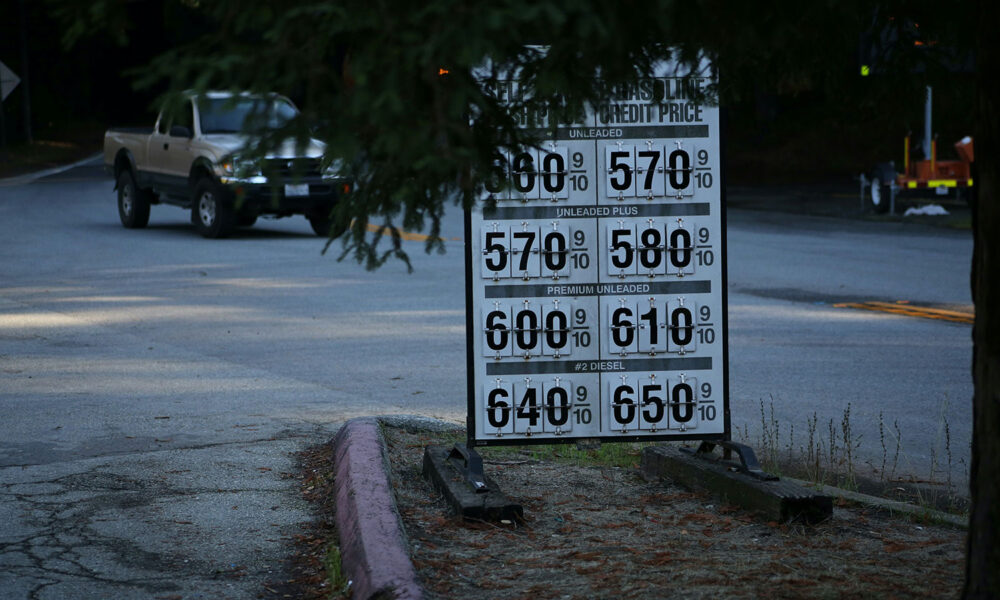

You may have heard: California is an energy island.
This evocative metaphor is a key part of the oil industry’s narrative about why the state’s gas prices are so volatile. Chevron and its astroturf proxies have spent millions on ads, billboards and direct mail to make sure you hear that the state’s regulatory environment is making it impossible for oil companies to supply fuel at fair prices.
But what if I told you these companies were disingenuous?
Well, that is true: the oil industry has spent staggering amounts to proliferate the energy island narrative while simultaneously advocating against bridges to connect the island to the mainland. And the brazenness with which they are wielding their ability to control the supply and, thus, the price of gasoline over consumers would raise the eyebrows of even the most seasoned, jaded Sacramento observer.
Big oil’s favorite cost-driver
California has a unique gasoline blend. It is called CARBOB for short (which stands for California Reformulated Gasoline for Oxygenate Blending) and is a much-maligned, oft-cited reason for California’s expensive gasoline. And for good reason.
Not only is it slightly more expensive to produce, but it also makes the state’s fuel market fragile. Only a small number of mostly in-state refineries make this gasoline on a regular basis. The market power created by the combination of limited CARBOB producers and an inflexible market is a big contributor to the state’s “Mystery Gasoline Surcharge.”
Other factors are also important, including the control of in-state refining by an ever-shrinking number of companies, control by these same companies over pricing at branded gas stations through restrictive contracts, and other physical and market barriers to competition. According to the latest analysis of the California Division of Petroleum Market Oversight, the resulting Mystery Gas Surcharge is an extra 41 cents per gallon Californians pay at the pump, after adjusting for differences in taxes, fees and other state-specific costs. At major brand stations the surcharge is even higher, 75 cents a gallon, and the cumulative impact of the cost California consumers over $59 billion in extra payments for gasoline between 2015 and 2024.
In other parts of the country, when a refinery has an unplanned outage or there are global supply constraints, gasoline-sellers can simply bring in fuel from a nearby refinery or ship, and consumers barely notice.
In California, we pay a serious price at the pump when there’s a supply disruption because our unique gasoline blend is not readily available. It can take weeks after a disruptive event to get California gasoline produced (often in South Korea or India), loaded on to ships, and delivered to the state. Meanwhile, consumers are paying a premium at the pump.
If gasoline sellers in California had access to an abundant, affordable supply, the state would be more resilient, and consumers would pay less.
But alas, oil majors want the state to keep clutching California gasoline standards to limit supply and reap in windfall profits. This is a great deal for big oil, but consumers are paying the price at the pump.
Marginal emission reductions at maximal cost
California’s leadership on gasoline requirements was a crucial part of air quality improvements over the last few decades, as we’ve seen with how much Los Angeles smog has decreased.
The federal government saw California’s success at reducing toxic air pollution and updated their gasoline regulations three times in the past few decades. Now, California’s gasoline is only marginally cleaner than gas sold in other states.
Another thing has changed in the decades since California updated its gasoline regulations: the vehicle fleet. Vehicles regulations in California and federally have significantly improved the emissions controls in gas-powered cars.
So, California’s gasoline is not much cleaner than other abundant, cheaper gasolines and cleaner gasoline only really matters for the emissions of cars made before 2004 when vehicle regulations started being the key driver of emission reductions.
The state’s unique gasoline blend is more problematic than ever because market consolidation in refining and retail means that problems that harm consumers benefit refiners, and there is not enough competition for the market to fix the problem without making changes that facilitate competition.
A better way for consumers and the climate
The California Energy Commission (CEC) included a clunkily named, elegantly conceived idea in their 2024 Transportation Fuels Assessment: A Non CARBOB Fee Based Variance.
The idea is that the state could allow for the sale of the gasoline most other states use with a 25 cent per gallon fee to help with supply constraints. This would stabilize gasoline supply and could put a cap on the premium California drivers pay for their gasoline.
When the CEC proposed this idea, they were uncertain how it would impact air quality. UCS stepped in with analysis showing that if the fee revenue is directed to replacing old, dirty cars, the emissions increase from dirtier gasoline would be effectively offset.
“Fee” is often seen as a dirty word, but this fee is important for two reasons:
- It would pay for the marginal emissions impact of using dirtier gasoline. UCS analysis shows that if this fee was directed towards the replacement of pre 2004 vehicles, it would effectively mitigate emissions in the first year of replacement and pay long-term climate and pollution dividends.
- Dropping California’s regulation entirely could destabilize the market, potentially accelerating additional refinery closures. The fee works to protect jobs and in state supply because when there is no California supply problem, it would not make sense to pay a fee to sell non-California gasoline.
- The fee is voluntary and would only ever reduce gasoline prices because gasoline sellers would only pay a fee to sell alternative gasoline when California gasoline is more expensive than the fee due to supply constraints.
Our analysis showed the CEC idea was a win for consumers, a win for air quality and big win for drivers of old, inefficient and polluting cars that get help upgrading to a new or used EV and don’t have to buy gasoline at all.
Brilliant, right?
So, what’s big oil’s deal?
UCS sponsored a bill by Assemblymember Hart, AB 2672, which would have made this idea a reality. The Western State’s Petroleum Association (a trade group of major oil companies) opposed it and the bill was stalled after overwhelming passing its first committee.
Then, we tried again with SB 1245 by Senator Stern which would have simply required the state to implement a strategy to allow for the sale of non-California gasolines if state agencies found that doing so would benefit consumers without undermining fuels supply. Again, Big Oil opposed it and stopped it.
Even with a fee to protect their in-state refineries, Big Oil is unwilling to limit their ability to profiteer and make consumers pay outrageous prices when there’s a supply constraint.
Fighting this proposal while constantly bemoaning California’s burdensome regulations displays an absurd level of hypocrisy. It shows the lengths the industry is willing to go to maintain their immense leverage over working Californians who have no choice but to pay the ungodly prices imposed by these companies.
A path forward
Policymakers in Sacramento should take a sober look at whether keeping an outdated regulation solely to make sure oil companies can extract maximum profits from their constituents is a good idea.
Updating California’s gasoline regulations to be more fungible while maintaining emission benefits is achievable and essential. It may take some time and must involve conversations with industry and labor to make sure it does not have unintended consequences.
In the meantime, allowing the sale of non California gasoline with a fee will help stabilize supply, mitigate emissions and protect in-state refiners and jobs.
Elected leaders should reject the oil lobby’s argument that price spikes caused by a disconnected market are simply a price California consumers must keep paying to keep big oil happy and, instead, get us all off this fuel island.