
EDITORIAL NOTE, 4/8/26: A previous version of this blog stated that, “Improvements to gasoline vehicle efficiency, the replacement of gasoline cars with EVs, and lower driving with remote and hybrid work arrangements means that drivers in the state are saving $1.5 billion per month compared to if they were driving and using gasoline at the same volume as they were in 2017.” This was corrected to $1.2 billion per month.
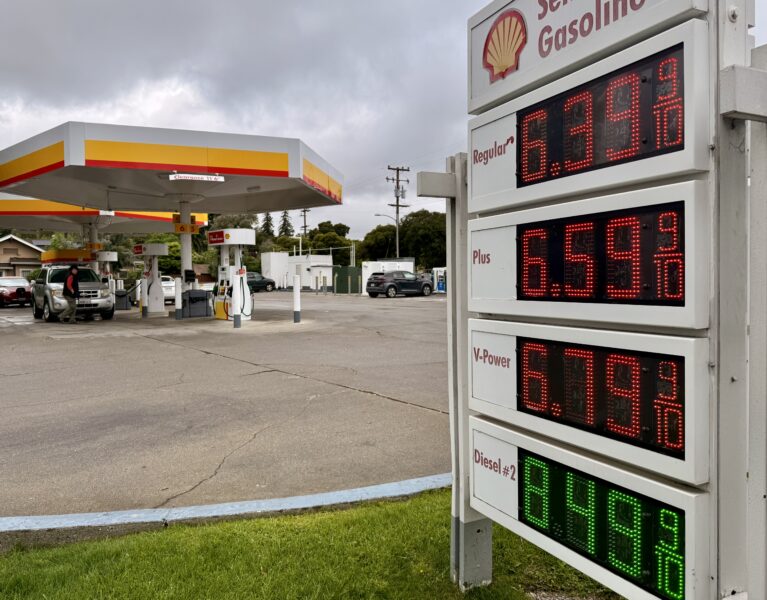
Everyone’s interested in the price of gasoline this spring. Well, everyone with a gasoline-powered car is. Rising gasoline prices means Californians are now spending about $6 billion per month on gasoline. Currently, that’s due to the conflict in the Middle East, but this is just the latest shock to prices, with both international issues (like the invasion of Ukraine and the COVID pandemic) and more local disruptions like refinery fires causing past spikes in the price at the pump in California. But gasoline spending would have been much higher if drivers in the state had not been already cutting gasoline use.
EVs, efficiency and alternatives to driving are saving Californians money
These price shocks will certainly cause drivers to look at ways to cut gasoline use, but even before this crisis, California’s gasoline consumption has been falling. While the state’s population has increased slightly, gasoline sales in California have dropped 2.4 billion gallons per year since the peak in 2017. That’s over 60 gallons per person in annual consumption.
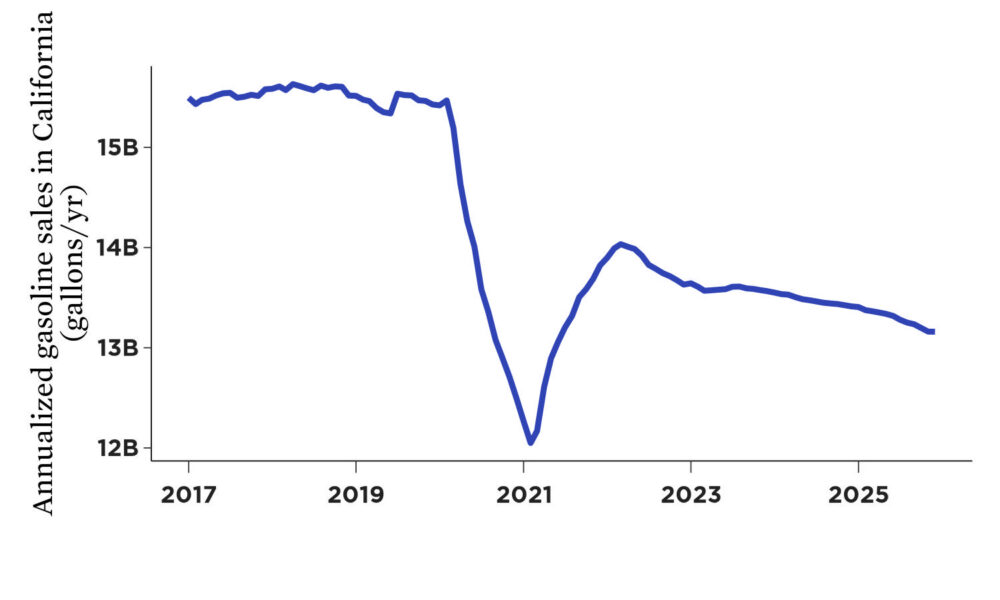
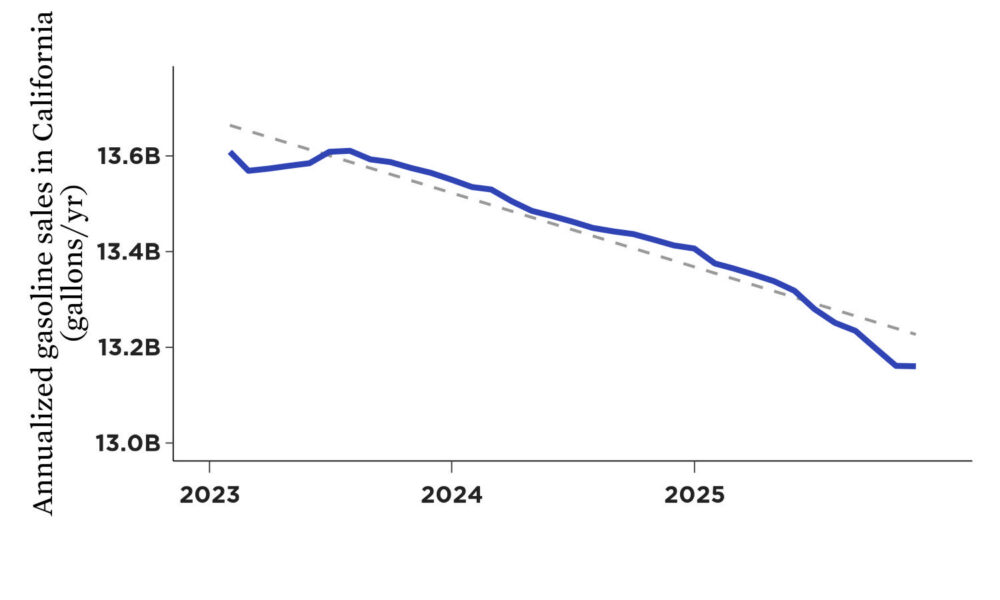
Californians are spending more on gasoline with the dramatic price increases, but we are spending less than we would have in the past. Since February 1, GasBuddy.com reports the average price for unleaded gasoline in the state has increased $1.36 per gallon to $5.86 per gallon as of March 30, 2026. Improvements to gasoline vehicle efficiency, the replacement of gasoline cars with EVs, and lower driving with remote and hybrid work arrangements means that drivers in the state are saving $1.2 billion per month compared to if they were driving and using gasoline at the same volume as they were in 2017. And this lower gasoline consumption is despite having more people in the state and having a GDP that grew by $1.7 trillion and at a faster rate than the US as a whole since 2017. Climate policies are a big reason Californians are spending a lot less on gasoline than they otherwise would be. From 2005 to 2025—a period when federal fuel economy standards and both federal and California greenhouse gas standards compelled automakers to produce cleaner cars—the average new vehicle fuel efficiency grew from 19.9 miles per gallon to 27.2 miles per gallon (25.6 miles per gallon when excluding plug-in vehicles). Over that same time, California’s air quality regulator continued to push automakers to develop and deploy electric vehicles and offer financial incentives to encourage drivers to make the switch.
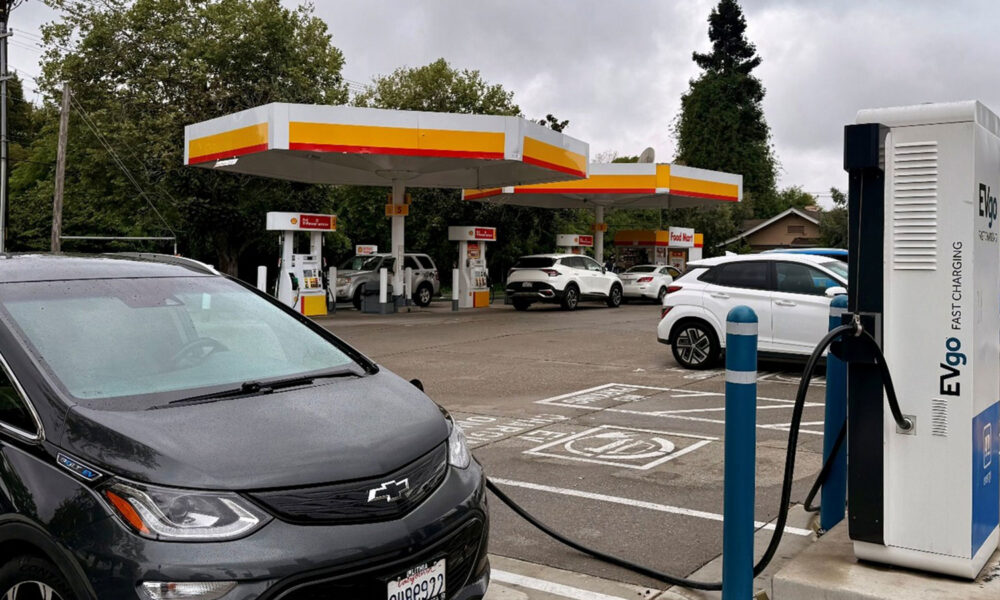
There are now over 1.5 million fully electric vehicles on the state’s roads. If these EVs replace the average gasoline vehicle, they would eliminate over 700 million gallons of gasoline consumption in California every year. These facts may be cold comfort when going to fill up your gasoline vehicle during this current price spike and the bill tops $100. “Well, it could be worse” doesn’t really offer much relief. But it really could be worse —billions of dollars worse—without the climate and clean vehicle policies enacted over the past two decades. Unfortunately, just as we are seeing the benefits of such policies, federal rollbacks of fuel economy and emissions standards and attacks on California’s authority to set its own standards mean further progress is stalled.
Switching from gasoline to electricity lowers costs and emissions
But even when (if?) gasoline prices come down, car buyers should remember these periods of price shocks and choose vehicles that are both cleaner for the environment and cheaper to refuel. If you can switch from gasoline to electricity, that’s your best bet. But whether you are looking at an electric vehicle or gasoline car, choosing a more efficient model will save money for refueling and lower total emissions.
Lowering costs without buying a new car
Used EVs are increasingly available, including late-model vehicles coming off leases. This will give more affordable options for people that want to make the switch from gasoline to electricity but can’t afford to buy a new car. And data from auto industry experts show that used EVs are retaining their battery capacity, even when they have significant mileage.
However, replacing a car with walking, biking, and/or public transportation altogether is even cheaper than getting an EV. Not only does that save money on fuel, but also maintenance, insurance, parking, and registration costs. That’s why we should support both policies that make it easier to switch to EVs AND advocate for better pedestrian and bicycle infrastructure and public transportation funding.