
Last week, the White House released draft regulations that—if enacted—will upend US science as we know it.
Under the rule proposed by the White House’s Office of Management and Budget (OMB), political appointees would have far more power over who gets billions of dollars of federal funding for research. And the rule explicitly conditions this funding not on scientific merit but primarily on whether the grant project and the applicant conform to “the President’s policy priorities” —allowing them to suspend or terminate “grantees out of alignment.”
Traditionally, scientific experts serve on peer review panels and their recommendations drive research grant award decisions. As part of that process, reviewers must be free of conflicts of interest. While peer review may not be perfect, bringing experts together to evaluate and debate the merits of a funding proposal typically ensures that the proposals of the highest quality and potential impact for the public good rise to the top. But this new rule would allow individual political appointees—with no scientific background or expertise—to judge the merit of research proposals, override decisions by subject matter experts, and interfere with federal funding that doesn’t conform to presidential priorities.
This proposed rule would govern the grant-making process for the entire federal government, including (but not limited to) the approximately $200 billion spent annually in research and development, as well as discretionary funding that comes through agencies like FEMA. This rule is an escalation of the Trump administration’s relentless attacks on science and evidence-based policymaking in every policy domain. The Trump administration dubiously claims that their proposed changes will improve transparency, accountability, and oversight to prevent wasteful spending and mismanagement of federal funds. Yet over the last year, this same administration fired 55% of inspectors general across federal agencies—opening the door for waste, fraud, and abuse throughout government by kneecapping their ability to conduct investigations in federal agencies. This same administration also proposed a $1.8 billion slush fund to funnel taxpayer dollars to Trump allies.
This proposed rule is about one thing: the Trump administration’s hunger to exert control over the federal scientific enterprise and re-direct it toward their own political agenda. It’s an attack on scientific integrity and scientific independence that will come at the public’s expense. Read on for why this matters—and what you can do.
An authoritarian move to centralize power
By replacing scientific merit with a political loyalty test, the proposed rule is another strategy straight out of the authoritarian playbook to concentrate power, control information, and suppress politically inconvenient truths. The rule proposes that “agencies may consider an applicant’s history of questionable practices based on publicly available and verifiable information.” In other words: it’s a litmus test for any public statements by a researcher that the administration might find objectionable, a dire attack on the First Amendment rights of every scientist. Over the last year, we’ve watched the administration attack higher education and try to bend institutions across civil society to its will. If enacted, this proposed rule will allow the administration to further weaponize government and our taxpayer dollars—dangling money or threatening its withdrawal to coerce publicly-funded universities and federally-funded researchers into supporting its ideological agenda.
Undermining scientific integrity and independence
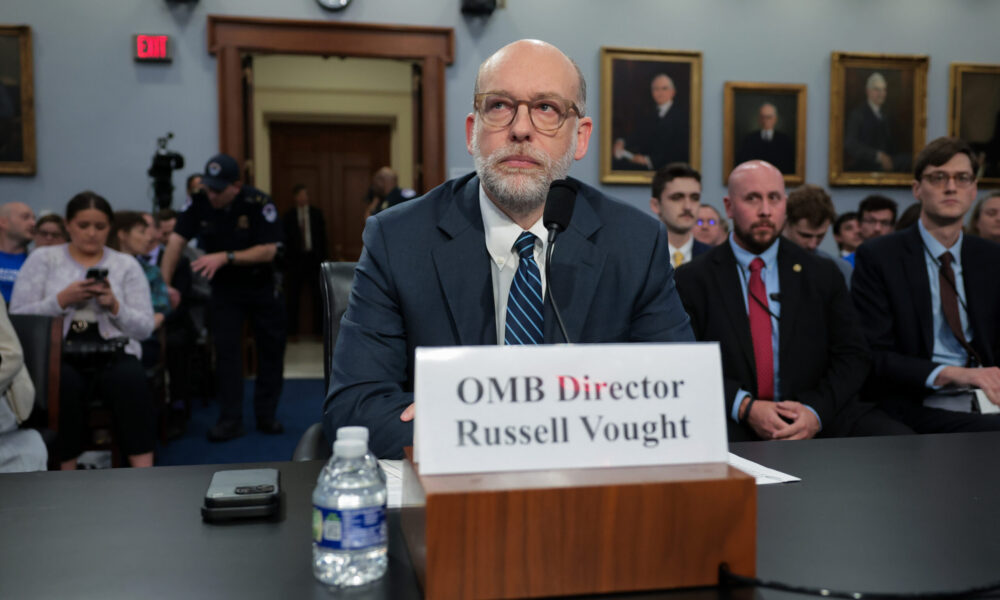
You may be familiar with scientific integrity as it relates to the adherence to professional practices and ethical behavior in research. But when a political appointee disregards the principles of honesty and objectivity when managing, using the results of, and communicating about science and scientific activities, that also violates scientific integrity. Those violations could include censorship, altering findings or data, or firing scientists over the results of their research. Hallmarks of scientific integrity include transparency, inclusivity, accuracy, and protection of research and scientific findings from suppression, manipulation, and inappropriate influence. Scientific integrity in grantmaking is also a driver of innovation and economic advancement. The proposed rule states explicitly that political appointees, regardless of experience or qualification, would have the last word on funding decisions. The record of the Trump administration so far gives all of us reason to worry about how they’ll make these decisions—especially since this rule came from OMB, led by Project 2025 architect Russell Vought.
A policy change that sacrifices the public good
US federal research funding makes scientific and medical breakthroughs possible and tangibly improves our lives. NIH-funded research has paved the way for treatments that have helped make diseases like cancer less deadly and reduced children’s exposure to pesticides. NSF-funded research grants led to the development of the internet and the technology in our cell phones, including touchscreens and lithium-ion batteries. NASA-funded space research enabled GPS through satellite infrastructure and helped map the eye to diagnose conditions and improve vision-correction surgery. USDA-funded research protects our lives, property, and health by mitigating risks in high-wildfire prone areas, informing evacuation decisions, and preparing us for future climate threats. And NOAA relies on research and data to track weather patterns to help manage and predict droughts that impact farmlands, forests, and grazing lands, also impacting the food and water supply. None of that work can happen if the Trump administration gets a political veto over what researchers are allowed to study.
What we can do now to fight back
Do not let the administration get away with these attacks on science. Here are three actions you can take to fight back:
- Submit a public comment by July 13th. This is one of the most high impact ways that you can let the administration know how this proposal will devastate the scientific enterprise—including halting vital research that you lead or depend on—even more than their reckless funding cuts to scientific agencies, institutions, and the workforce. Check out our resources for getting involved and submit your comments opposing this proposed rule.
- Sign this petition to demonstrate your support for the Scientific Integrity Act. This bill was recently re-introduced in the US Senate and would establish stronger safeguards to protect federal scientists from political interference, require agencies to maintain scientific integrity policies and ensure government decisions are informed by evidence rather than political agendas. At a moment when independent science is under immense and increasing pressure, Congress must move swiftly to advance this bill and strengthen available guardrails. Studies are already being halted by political appointees who want to suppress the data. The OMB’s proposed rule frames research on topics like equity and public health as “wasteful spending.” It serves as an example of how political agendas get ingrained into science funding at a systemic level. The Scientific Integrity Act gives watchdogs, courts, and the public the tools to fight back. Congress must pass it now.
- Spread the word and share this blog post with your network. We need overwhelming pushback to make the administration reconsider this proposed change to gut independent science.